Beyond Legalization: What Marijuana Justice Really Means in Virginia
A young Black man walking down a street in Richmond with less than an ounce of marijuana could once face an arrest that would shape the rest of his life. In Virginia, that moment, an officer’s decision, a stop, a search, often meant a record, probation, or years behind bars. And for decades, it meant those consequences landed hardest on Black and Brown communities.
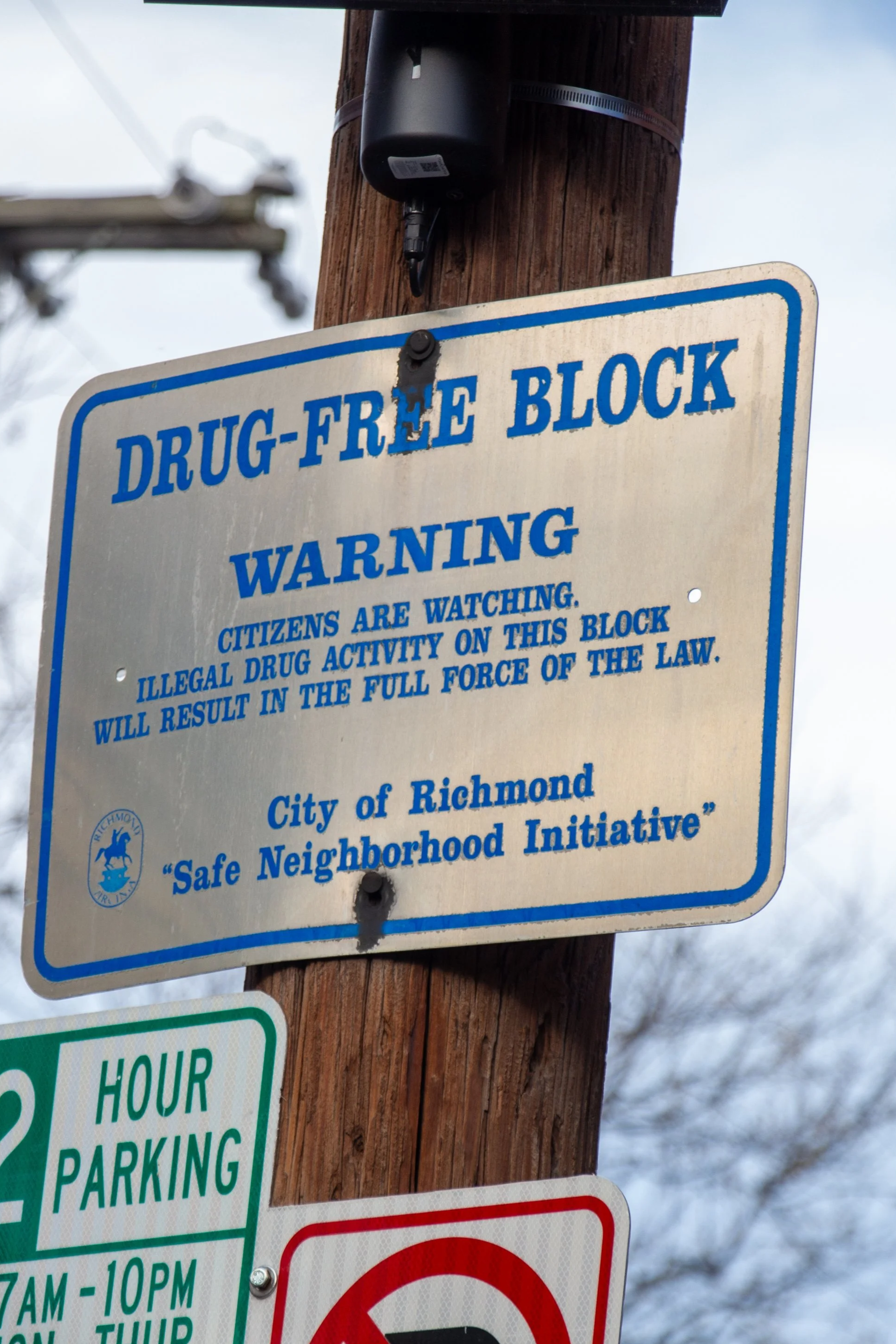
Data from the American Civil Liberties Union shows that Black residents in parts of Virginia, including Richmond, are 3.4 times more likely to be arrested. In Hanover County, the disparity is even wider, with Black residents being detained at rates up to 20 times higher than white residents, despite similar usage across racial groups.
According to Justice Forward Virginia, many young people, especially Black teens, one possession charge became a trapdoor into a system that was nearly impossible to climb out of.
Kenneth Hunter knows that trapdoor well.
A Childhood Disrupted
Hunter grew up in Lynchburg in what he calls a “poor financially, but rich morally” household. His family’s strict religious beliefs shaped every part of his upbringing. “Once you get baptized, you have a certain level of responsibility,” he said. Violating the rules could lead to “disfellowship”—a formal separation from the church.
As a teenager, that’s exactly what happened. After people learned he had pre-marital sex, he was cut off from his congregation, his friends, and even, in subtle ways, his own household. “I wasn’t really allowed to hang with anybody outside the congregation,” he said. “When they weren’t allowed to talk to me anymore… I started leaving.”
What followed was a gradual shift into the streets, “a world where you couldn’t be scared,” he said, even though he was. He was homeless, disconnected, and looking for a place he belonged.
And by 15, he was introduced to marijuana, not by using it, but by selling small amounts. “A kid spending $50 and making $100… you couldn’t tell me I wasn’t the richest dude in the world,” he said. “I didn’t like being poor. I didn’t like being without nothing.”
The identity, the validation, the money, “It becomes addictive,” he said. “People start knowing you for something. And for a kid with no self-esteem, that’s everything.”
But it didn’t last.
The System
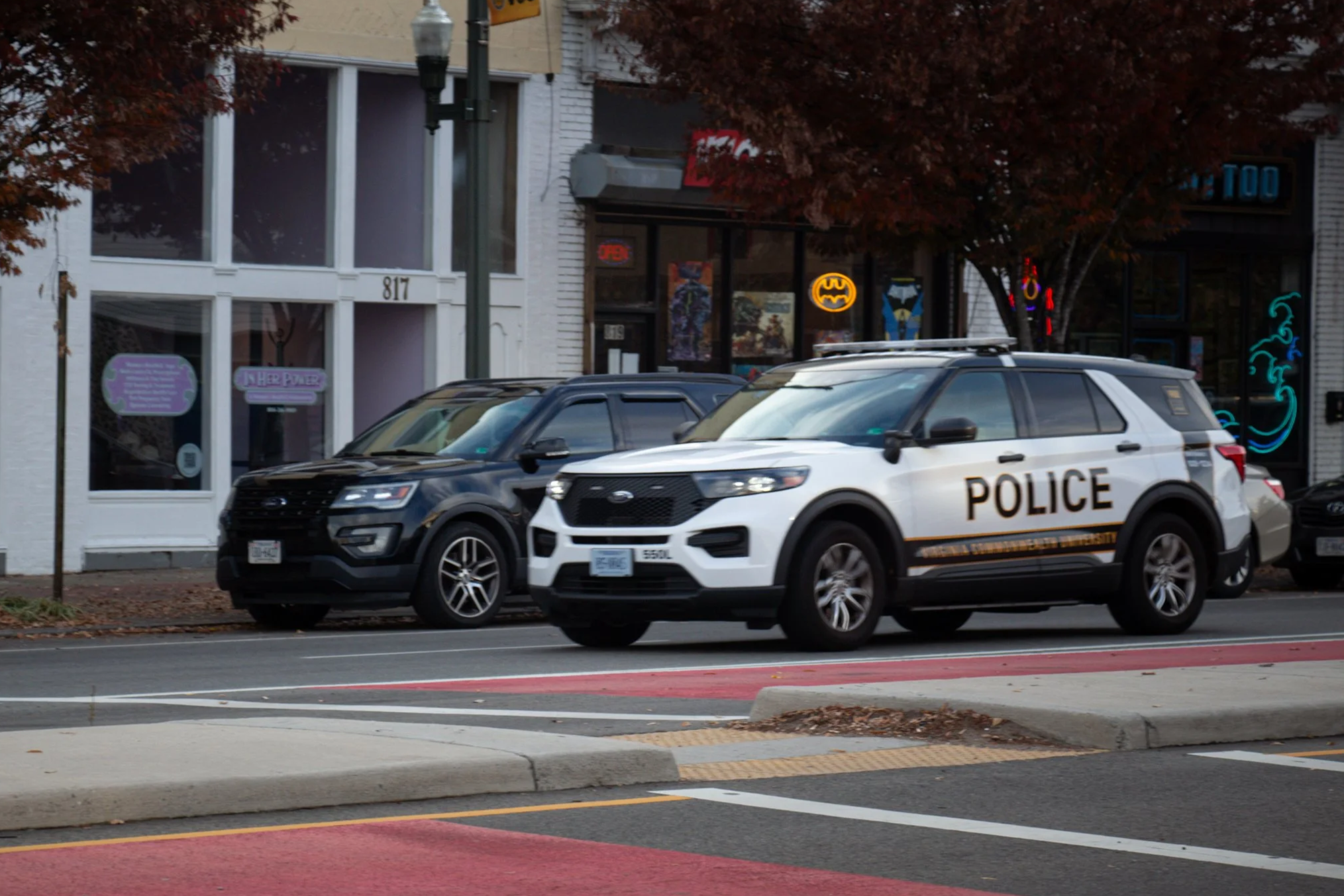
Four years later, after a dispute and a police raid, Hunter was arrested. Officers described him in court as a major dealer, exaggerating his role and painting him as a threat. He was convicted on drug charges and a probation violation and sentenced to 23 years, nine months, and 75 days.
He was 21 years old. He had been married. He had just learned he was a father.
And he was being sent to Red Onion State Prison, one of Virginia’s supermax facilities, usually reserved for the most violent offenders. “I was a nonviolent offender,” he said. “But that’s where they sent me first.”
Hunter had no idea he was entering the prison system at the height of the nation’s mass incarceration boom. “I didn’t notice it happening,” he said, “but I was in the middle of it.”
Life After Prison
Hunter came home four and a half years ago. After serving 22 years, longer than he had been alive when he was sentenced, reentry has been a process. “If you focus on the four and a half years, you would say, well, that’s pretty significant amount of time out. But if you compare the four and a half years to 22 years, then you realize how much relative time it is,” he said. “I’m still figuring out who I am.”
He’s now an organizer and lobbyist with the Virginia Interfaith Center for Public Policy, specifically with the initiative, the Virginia Consensus for Higher Education in Prison, which works to expand higher education in prisons. “I spent my entire time in prison with no access to college programs,” he said. Now he pushes for HBCUs and other institutions to invest in incarcerated learners.
He believes marijuana revenue could help fund that education. “Education is restoration,” he said. “It levels the playing field.”
Hunter is rebuilding his life: relationships, career, and purpose. But his story reflects the lingering reality of marijuana criminalization… legalization alone did not erase the harm.
A Push for Justice
Stories like Hunter’s, and tens of thousands like his, are what pushed a Richmond native and social worker, Chelsea Higgs Wise, to act.
“The drug war has harmed so many different parts of our lives,” she said. “People were losing their lives in 20,000 to 30,000 arrests a year.”
Wise has worked with families navigating housing struggles, probation violations, foster care, and criminal records. By 2019, she had a vision for legalizing marijuana the right way and focusing on undoing the harms.
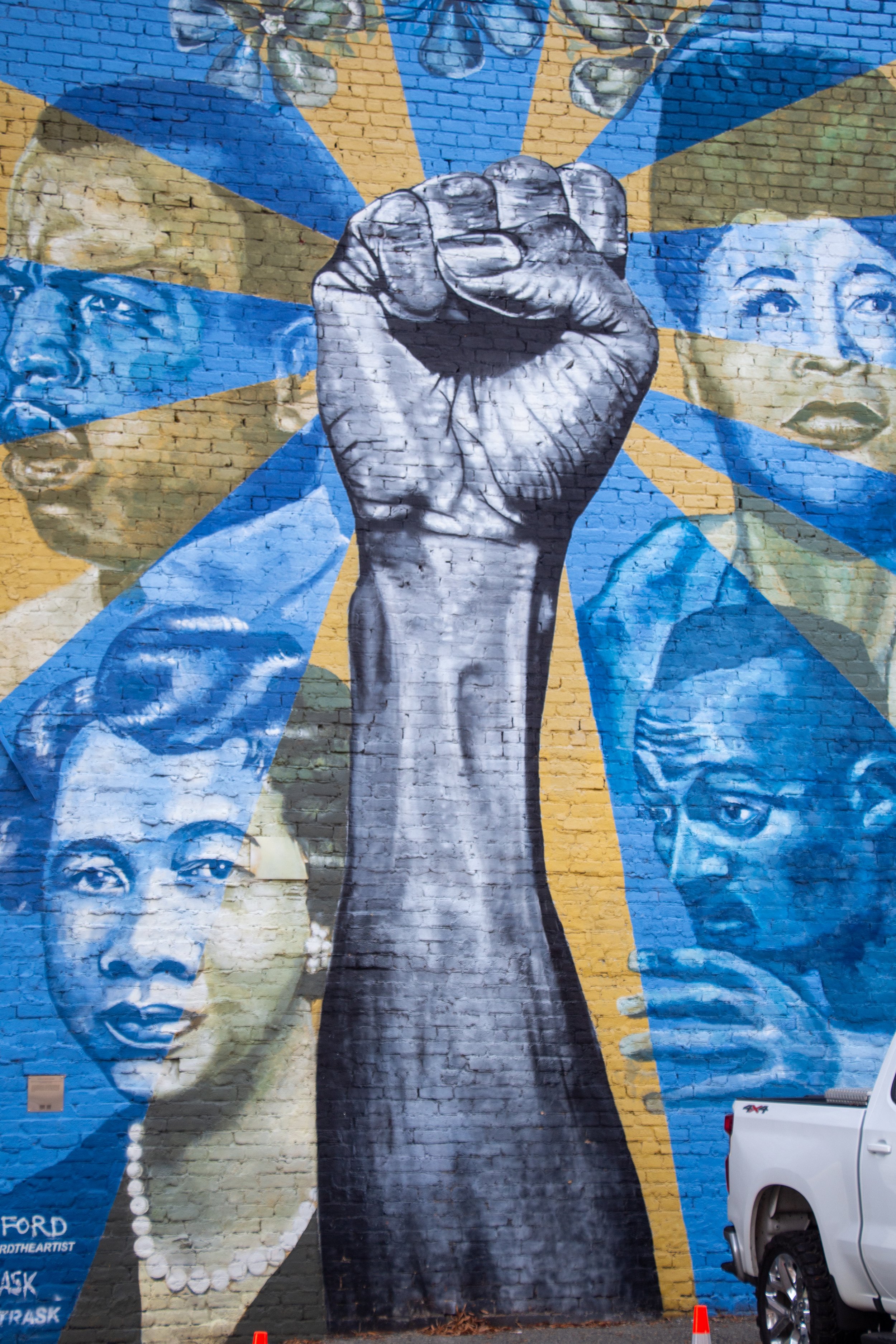
That year around Black History Month, Governor Northam faced backlash and controversies after yearbook photos came out showing blackface and a KKK robe. People were calling for his resignation, but Wise saw it as an opportunity.
“Many of us were like, what can we do to press the issue to actually give him something to do right now that can stop the harm? Because he started going on this apology tour to Black people in Virginia, and I was like, don’t apologize, actually bring some repair,” she said.
That’s when Marijuana Justice blossomed, a nonprofit dedicated to ensuring that communities harmed most by the criminalization of marijuana are not left behind in legalization and preventing future harms.
What Marijuana Justice Actually Means?
Marijuana Justice is built with the goal of legalizing it right and is built on three pillars: repeal, repair, and reparations.
Repeal.
Ending criminal penalties for possession, consumption, and home growth. Even after legalization in 2021, gaps remain in enforcement and penalties.
Repair.
Resentencing, expungement, and ending the lingering fallout from past charges. “Many people are still on probation because of marijuana,” Wise said. “People who failed a urine test years ago are still being pulled into the system.”
Reparations
Reinvesting cannabis revenue directly into the communities most harmed by the prohibition, through legal aid, small business support, and community programs. To Hunter, this is essential. “Money leaves Black neighborhoods and never comes back,” he said. “If marijuana is legal now, people who were harmed by the old laws should have a stake in the new industry.”
Wise and her team are pushing for policies that not only legalize but transform.
The History
Understanding Marijuana Justice requires understanding the history that made it necessary in the first place. Long before legalization, long before political debates about dispensaries and tax revenue, the United States had already built a system that treated marijuana not as a plant, but a threat, and a disproportionate threat tied to Black and Brown communities.
“You have to know the history of drugs in this country to understand why the words marijuana and justice even belong in the same sentence,” said Hunter. “Marijuana shouldn’t naturally be associated with justice, however, because of the injustices perpetrated on our communities, marijuana justice is a for equality, equity, and inclusion. Bad words in this current climate. But we got screwed, we are always the people who get the worst of policies. It’s not a bunch of white kids in suburban America filling the prisons for selling weed. It’s a bunch of poor and disenfranchised, black and brown people that are suffering the most from these harmful policies.”
For Hunter, the criminalization of cannabis sits on the same continuum as other systems that have shaped Black life in America.
“When I think of marijuana justice, I put it in the same line as mass incarceration, modern-day slavery, exploitation, system oppression, the connection is clear,” he said.
Wise sees it the same way.
“There has to be a justice lens to anything we say about cannabis because the way it’s been politicized was aimed specifically at Black people, poor people, anti-war people,” Wise said. “Putting the words marijuana and justice together is intentional. If it makes people stop and ask, ‘What does that mean?’ — then we’ve done our job.”
A Criminalization by Design
Marijuana did not become illegal because the plant suddenly changed. It became illegal because policymakers decided it should be, and those decisions were shaped by politics rather than science.
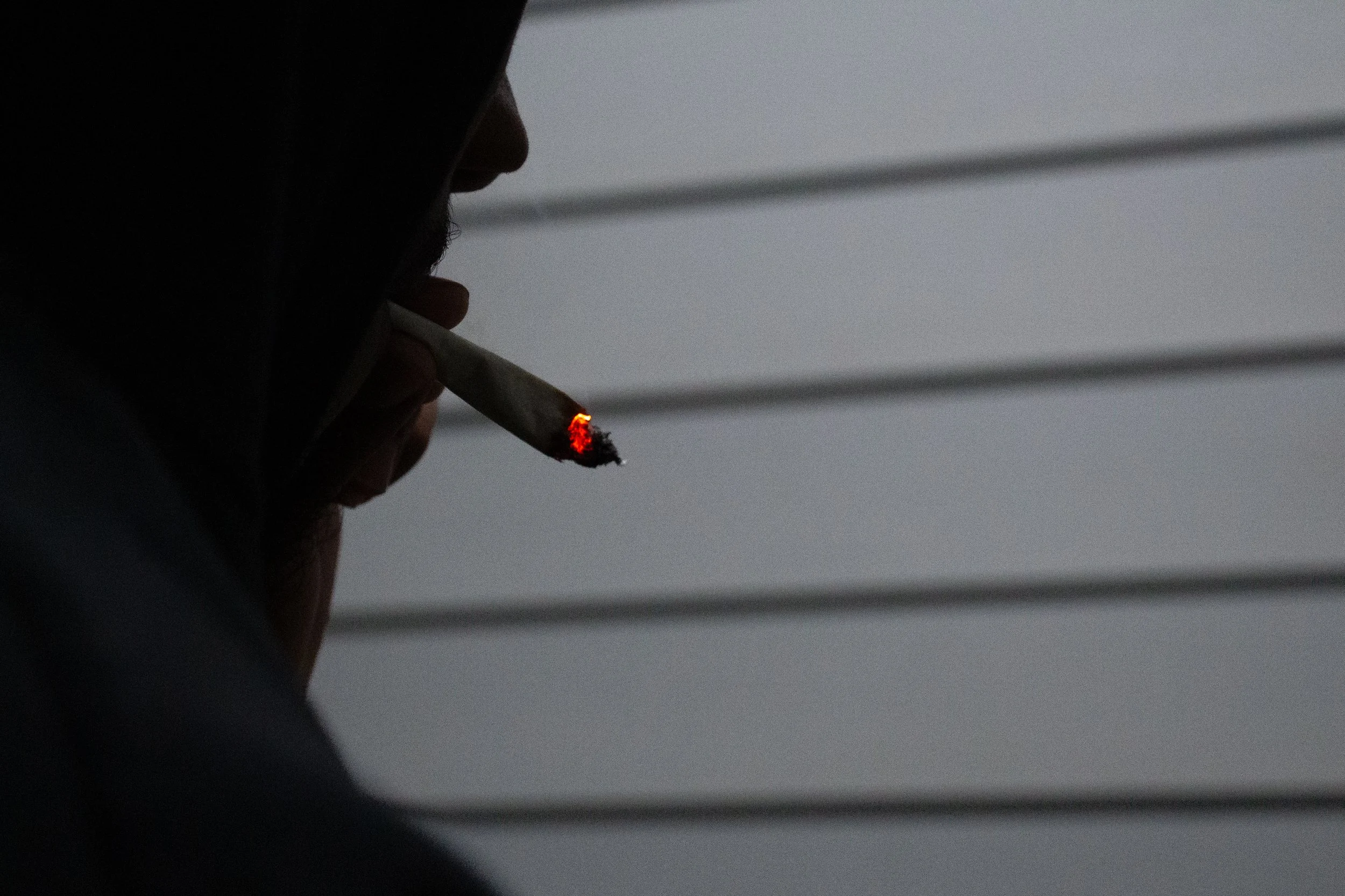
According to History, a major turning point occurred in 1970, when President Richard Nixon signed the Controlled Substances Act, creating five schedules for regulated drugs. Marijuana was placed in Schedule 1, alongside heroin, the category defined as having the highest potential for abuse and no accepted medical use.
And for many, the comparison has never made sense, as marijuana has been used for medicinal reasons and is not as likely to be as abusive as other drugs.
“America treated marijuana like it was the big bad boy,” said attorney Maxie Lawton. “States started legalizing it because they realized they could make money. Marijuana isn’t on the same level as heroin or crack cocaine; it’s on the level of alcohol.”
Vickie Williams Cullins, who is a Virginia NAACP member and advocate for cannabis, echoed that frustration. “The more I learned about the cannabis industry, the more I realized how important it was to deschedule it,” she said. “They’ve got it listed at the same level as heroin. It is not there. It is not there.”
But the Nixon administration didn’t choose Schedule 1 because they needed a legal basis to increase policing of Black communities and anti-war activists.
That single decision more than 50 years ago shaped decades of enforcement, mass incarceration, and the cultural stigma that still lingers today.
And it made organizations like Marijuana Justice not just relevant, but necessary.
The Propaganda
Long before the War on Drugs, marijuana had already been cast as dangerous through decades of racially coded propaganda. Those messages shaped perceptions of who the law targeted.
“The industry is very white. It’s very white,” said Cullins. “But the impact hasn’t been the same. Black folks have carried the weight.”
She highlights that the old narratives were intentional. “They want you to believe, if you smoke weed, you’ll go crazy or hurt somebody.”
That stigma still shows up today.
“They assume that if someone consumes cannabis, they can’t be educated, well-read, well-spoken, or law-abiding,” said Cullins. “A lot of this is propaganda. Yet, some people do bad things, but cannabis isn’t the cause.”
These misconceptions didn’t disappear. They evolved, continuing to influence who gets policed, who gets punished, and who gets pushed out of the industry.
The Work Ahead
Virginia may have legalized cannabis, but the work of justice is far from finished. Many people continue to carry the weight of past arrests, face ongoing barriers, and deal with lasting trauma. Communities that were disproportionately targeted have yet to see meaningful reinvestment, and the legal market remains uncertain, with retail sales still not fully established.
For Wise, Hunter, and advocates across the state, marijuana justice is about encouraging use, but also acknowledging that the laws were never applied equally, and ensuring that the future isn’t built on top of past harm.
As Hunter put it, “People can feel how they feel about marijuana. I don’t care. But criminalization is subjective. And we’ve seen who pays the price.”
However, there’s still room for optimism. Governor Abigail Spanberger pledged to sign legislation establishing a regulated retail system, reversing the impasse that kept marijuana sales in limbo since Virginia legalized possession and home cultivation in 2021.
Del. Paul Krizek, D-Fairfax, the commission’s chair, spoke to Mercury and highlighted the outcome is “a good day for public safety and for communities disproportionately affected by cannabis prohibition.
However, there is hope on the horizon. The Virginia Mercury reports that Governor Abigail Spanberger has pledged to sign legislation establishing a regulated retail system, ending the deadlock that left sales in limbo since Virginia legalized possession and home cultivation in 2021. Del. Paul Krizek, D-Fairfax, chair of the Joint Commission on the Future of Cannabis Sales, told The Mercury that the move is “a good day for public safety and for communities disproportionately affected by cannabis prohibition” and offers a chance to direct tax revenue toward priorities such as job training and education. “It’s a bad day for organized crime in the illicit cannabis market,” he added.
Krizek emphasized, “We’ve got to stand up this legal marketplace sooner rather than later,” signaling that the long-awaited adult-use market could finally become a reality once the commission finalizes its proposal.
